
Magnetic therapy has drifted to the forefront of wellness conversations once again, rising like an old remedy rediscovered in a modern world hungry for non-invasive healing options. Whether people seek relief from chronic pain, inflammation, fatigue, or energy imbalance, magnetic therapy promises a natural pathway toward restoring equilibrium. Modern practitioners often combine ancient wisdom with scientific curiosity to create sessions designed to support the body’s own healing rhythms—an approach echoed globally and increasingly respected in complementary wellness circles. Today, many individuals specifically look for experienced professionals such as a Bio magnetic therapist UK to guide them with safe, responsible, and effective magnetic applications that align with emerging best practices.
Understanding how magnetic therapy works—and how it should be safely applied—is essential for anyone exploring it as a wellness option. The field is expanding, but like all therapeutic practices, it requires clarity, expertise, and informed decision-making. This article delves into the insights every client and practitioner should know: the science, the safety, the risks, and the best practices that frame responsible magnetic therapy in today’s world.
What Magnetic Therapy Actually Does
Magnetic therapy involves using magnets, often static or pulsed, to influence the body’s natural bioenergetic fields. The human body carries electrical charges that regulate nerve impulses, circulatory functions, and cellular activity. Magnets, depending on their strength and polarity, may interact with these processes in ways that support relaxation, blood flow, and internal harmony.
Practitioners emphasize that magnetic therapy is not a standalone cure for any disease. Instead, it’s a complementary approach—one that collaborates with the body’s natural regulatory systems. Its popularity has surged among individuals seeking drug-free options for ongoing discomfort or stress-related imbalances.
However, proper technique matters. The strength of the magnet, the placement on the body, the duration of exposure, and the sensitivity of the client all influence the experience. This is why trained therapists remain central to safe and meaningful magnetic care.
Why People Are Turning to Magnetic Therapists
The last decade has seen a quiet revolution in alternative healing. People are seeking more individualized, whole-body wellness solutions. Magnetic therapy appeals because:
It is gentle.
There are no needles, chemicals, or invasive procedures.
It is personalized.
Sessions can be tailored to each client’s needs and tolerance levels.
It emphasizes balance.
Practitioners often focus on restoring internal stability rather than targeting isolated symptoms.
It pairs well with other therapies.
Many clients combine it with physiotherapy, mindfulness, or other energy-based practices.
Still, the rise in interest means clients must look for qualified professionals who practice ethically and prioritize safety.
Growing Access to Services and Professional Guidance
Quality guidance is essential for anyone beginning their magnetic therapy journey. Trained practitioners not only understand magnet placement and polarity—they also consider health history, contraindications, and session goals. Accessibility to trained professionals is improving as wellness awareness spreads across the UK. Individuals looking for recognized practitioners often explore holistic centers, private practitioners, or online directories to ensure expertise and credibility. In some regions, this increasing awareness has encouraged more centers to introduce a dedicated biomagnet therapy Service in UK option as part of their expanded wellness offerings, improving public access to reliable therapeutic support.
As this growth continues, the focus on regulation and professional standards becomes crucial. A credible practitioner should have training in biomagnetism or magnetic therapy, understand anatomy and physiology, and follow ethical guidelines in treatment planning.
How Magnetic Therapy Works: A Practitioner’s Viewpoint
A magnetic therapy session varies depending on the practitioner’s training and the client’s needs. Yet several elements remain consistent across reputable professionals:
1. Assessment Comes First
A session begins with an evaluation of the client’s health concerns, lifestyle, and wellness goals. No magnet touches the skin before a practitioner understands the bigger picture.
2. Magnet Placement Is Strategic
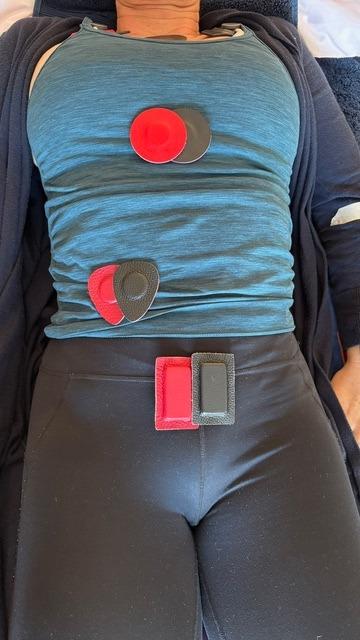
Magnets are placed on specific points, often corresponding to anatomical or energetic pathways. Placement may be symmetrical or targeted to a particular area of concern.
3. Polarity Matters
Magnets have two poles, and each interacts with the body differently. Proper use requires knowledge of how each pole influences internal balance.
4. Duration Is Carefully Calibrated
Sessions typically last 20–60 minutes depending on the method used. Longer exposure is not always better; precision outweighs intensity.
5. Follow-up Evaluations Enhance Outcomes
Practitioners monitor client experiences over time to adjust the therapy, improve comfort, and track benefits.
These steps reflect the rhythm and intention that define responsible magnetic care.
Common Benefits Clients Report
Although magnetic therapy is not a medical treatment, many clients report benefits including:
A feeling of deep relaxation
Reduced muscle or joint discomfort
Improved circulation and warmth
Better sleep quality
Enhanced sense of energy and vitality
Relief from tension patterns
Greater emotional calm
These effects often appear gradually over several sessions, although some individuals respond more quickly.
The sense of balance clients describe often stems from the body’s natural response to gentle magnetic fields, which may help regulate internal processes that support comfort and wellness.
Safety First: Essential Best Practices
Magnetic therapy is safe for most people—but only when applied properly. Both practitioners and clients should follow these key guidelines:
1. Avoid Use on Pregnant Individuals
There is insufficient research on magnetic therapy during pregnancy. Ethical practitioners avoid treatment as a safety precaution.
2. Not for People With Pacemakers or Implanted Devices
Magnets may interfere with electronic implants, making professional screening vital.
3. Be Cautious Around Open Wounds or Infections
Magnets should not be used directly over active infections, unless specifically trained techniques are applied under controlled conditions.
4. Start With Low Intensity
Beginners may be more sensitive to magnetic exposure. Seasoned therapists ease clients in gradually.
5. Avoid DIY High-Strength Magnets
Self-treatment with excessively strong magnets can cause discomfort or dizziness. Professional supervision matters.
6. Document Every Session
Practitioners should track magnet strength, placement, duration, and client responses to ensure consistent safety and progress.
7. Use Clean, Skin-safe Materials
Magnets should be encased or covered to avoid skin irritation.
Best practices protect both client comfort and therapeutic integrity.
Risks Every Client Should Know
Magnetic therapy is low-risk when performed correctly, but clients should be informed about possible side effects, especially during the first few sessions.
Possible Mild Reactions Include:
Temporary light-headedness
Mild fatigue
Localized warmth or tingling
Slight soreness where magnets were placed
Temporary emotional release during relaxation
These responses typically pass within hours and reflect the body adjusting to the session.
Rare but Notable Risks:
Skin irritation if magnets are improperly covered
Discomfort if magnets are too strong for the client’s tolerance
Aggravation of symptoms if contraindications are ignored
All of these risks can be minimized by working with trained, ethical practitioners who follow standardized protocols.
What Makes a Qualified Magnetic Therapist?
As interest grows, so does the need to distinguish trained practitioners from hobbyists. A qualified magnetic therapist should:
Have Relevant Training
Certification in biomagnetism, magnetic therapy, or energy-based therapeutic methods indicates they understand proper protocols.
Be Transparent About Their Approach
They should explain their technique, session structure, and what clients can expect.
Prioritize Screening and Safety
A responsible therapist reviews medical history and contraindications before beginning any session.
Offer After-care Guidance
Proper hydration, rest, and awareness of bodily responses enhance results.
Uphold Professional Ethics
Magnetic therapy complements medical care—it does not replace it. Practitioners must never discourage medical treatment or make disease-curing claims.
These standards shape the future of magnetic wellness and help protect both clients and the integrity of the practice.
What Clients Should Ask Before a Session
To ensure you're working with a trustworthy professional, consider asking:
What training have you completed?
How do you determine magnet placement?
What strengths of magnets do you use?
Are there any risks for my particular health condition?
How many sessions do you recommend for beginners?
Do you provide follow-up assessments?
A practitioner who answers confidently and clearly demonstrates both competence and care.
How Magnetic Therapy Complements Conventional Care
Magnetic therapy is not positioned as a medical treatment, but many people use it alongside conventional health approaches because:
It may help relieve tension caused by chronic conditions.
It supports emotional well-being by promoting relaxation.
It encourages better energy management in everyday life.
It fits naturally into broader wellness plans, including physiotherapy, yoga, or stress-reduction routines.
Many healthcare professionals acknowledge the importance of complementary modalities as long as they are practiced safely and responsibly.
The Future of Magnetic Therapy
As the wellness industry evolves, magnetic therapy is likely to gain deeper research attention, better regulation, and improved professional standards. Technology may introduce new forms of pulsed magnetic devices, refining accuracy and expanding therapeutic potential.
The future of magnetic therapy rests on:
Quality education and certification
Transparent communication between therapists and clients
Responsible integration with health and wellness programs
Ongoing scientific study of magnet-body interactions
Clients benefit most when the field prioritizes safety, ethics, and thoughtful practice.
Final Thoughts
Magnetic therapy is an intriguing blend of natural wisdom and modern holistic perspectives. When practiced by trained professionals, it offers a gentle path for those seeking balance, comfort, and relaxation. The key is responsible application—understanding risks, adhering to best practices, and working with practitioners who value safety as much as results.
As the wellness landscape continues to expand, magnetic therapy stands poised to remain a meaningful companion for people on their journey toward better well-being. With informed choices and ethical guidance, clients can enjoy its potential benefits while feeling confident and safe every step of the way.







Write a comment ...