The rise of alternative therapies has sparked considerable discussion within the health and wellness community, especially when it comes to practices like biomagnetism. In the UK, interest in this modality continues to grow as more individuals explore natural and non-invasive methods of supporting their health. A growing number of practitioners, including a professionally trained bio magnetic therapist uk like Bibi Mc Gee, are working to make the therapy accessible and understandable. While many clients report benefits such as improved well-being, reduced discomfort, and better balance in the body, the scientific community remains divided. This debate centres on evidence, methodology, and long-term validation.
Understanding the Concept of Biomagnetic Therapy
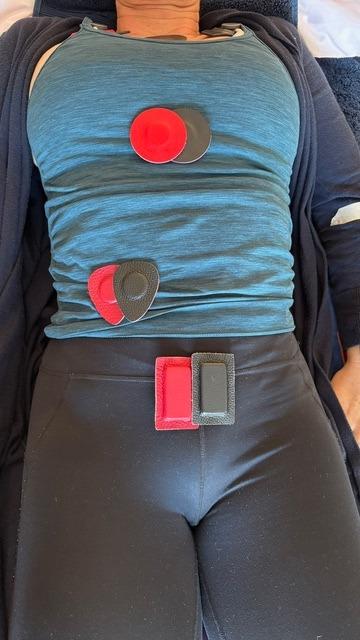
Biomagnetic therapy works on the principle that strategically placed magnets may influence pH balance within the body. Supporters believe that pathogens thrive in environments where pH is either too acidic or too alkaline. By placing magnets in pairs on specific areas, practitioners aim to restore balance and support the body’s natural processes. Some researchers suggest the therapy may also influence electrical signals and biofield regulation.
However, scientific critics argue that there is currently insufficient peer-reviewed research to confirm or fully explain these effects. Though early studies and anecdotal reports are promising, many argue that further controlled trials are necessary before biomagnetic therapy can be widely recognised in mainstream healthcare systems.
Supporters’ Perspective: Evidence Through Experience
Many who support biomagnetism argue that traditional research methods do not always capture the individualised nature of holistic therapies. They highlight personal testimonials, case-study evidence, and client outcomes that suggest measurable improvements.
Clients often report benefits such as reduced fatigue, improved digestion, calmer nervous system responses, or a better sense of physical equilibrium. Practitioners like Bibi Mc Gee emphasise careful assessment and personalised protocols, focusing on client comfort and holistic wellness rather than symptom suppression. This client-centred approach appeals to those who seek gentle, non-pharmaceutical solutions.
The Debate on Research and Validation
As the field continues to grow, more wellness centres and professionals offer a biomagnet therapy service in uk to support individuals seeking complementary care. This expansion has led to an increased push for formal scientific evaluation. Researchers and healthcare professionals stress the importance of clinical trials that could confirm mechanisms, safety, and efficacy using measurable data.
Sceptics often point out that placebo effect cannot be ruled out without controlled studies. In contrast, practitioners argue that just because a therapy is not yet fully understood does not mean it lacks value. Many widely accepted medical treatments once existed in a similar grey area before research eventually validated their use.
The Role of Practitioners like Bibi Mc Gee
A central element of this ongoing conversation is the practitioner’s role. A trained and professional therapist ensures sessions are conducted safely, ethically, and with respect for client well-being. Bibi Mc Gee represents a growing movement of practitioners who balance compassion with a desire for greater scientific clarity. Her approach encourages clients to explore biomagnetism as part of a balanced lifestyle and, if necessary, alongside conventional medical advice.
This integration-minded approach is increasingly appreciated by individuals who do not wish to choose between conventional medicine and natural therapies but instead seek a personalised wellness plan.
Bridging Science and Holistic Practice
For biomagnetic therapy to achieve wider recognition, collaboration between researchers and practitioners will be essential. This may involve controlled studies, technology-supported measurement tools, or partnerships with universities and medical institutes. Such research could help identify which conditions respond most effectively, the longevity of results, and the physiological mechanisms involved.
Scientific curiosity is increasing, and this shift is creating opportunities to explore biomagnetism through a more rigorous and open-minded lens. Many believe that future studies will help bridge the gap between holistic practice and clinical science.
The Future of Biomagnetism in the UK
With rising public interest in non-invasive, holistic approaches, biomagnetism will likely continue gaining attention. As more individuals experience potential benefits, demand for trained practitioners and regulated guidelines may grow. The integration of biomagnetic therapy into wellness programs, therapy centres, and natural health practices reflects a gradual but noticeable shift in public awareness.
Practitioners such as Bibi Mc Gee play an important role in shaping this future by offering responsible care, educating clients, and encouraging ongoing research.
Conclusion
Scientific debates surrounding biomagnetic therapy highlight the need for exploration rather than dismissal. While research continues to evolve, many clients choose this therapy because it feels gentle, supportive, and aligned with holistic well-being. The work of dedicated professionals helps ensure the field progresses with integrity and care. As understanding grows, biomagnetism may become a recognised complementary practice supported by both experiential results and future scientific validation.





Write a comment ...