
The question of effectiveness is often the first thing people ask when exploring alternative wellness approaches. With increasing interest in natural and non-invasive therapies, many individuals are turning to guidance from a biomagnetic therapy expert in uk to better understand whether this therapy truly delivers results. Biomagnetic therapy has gained global attention for its holistic approach, but its effectiveness is best understood through a combination of scientific exploration, practitioner experience, and real-world outcomes.
Biomagnetic therapy is rooted in the idea that the human body functions as an interconnected energetic system. When imbalances occur—particularly in pH levels and electromagnetic signaling—they may contribute to discomfort, inflammation, or reduced vitality. This therapy aims to restore balance rather than suppress symptoms, which sets it apart from many conventional approaches.
As awareness grows, more people are seeking reliable information rather than hype. Understanding how biomagnetic therapy works, what research suggests, and what results users commonly report can help individuals make informed decisions about incorporating it into their wellness routines.
Effectiveness, in this context, does not mean a guaranteed cure but rather measurable support for the body’s natural ability to regulate, recover, and maintain balance over time.
Understanding the Foundations of Biomagnetic Therapy
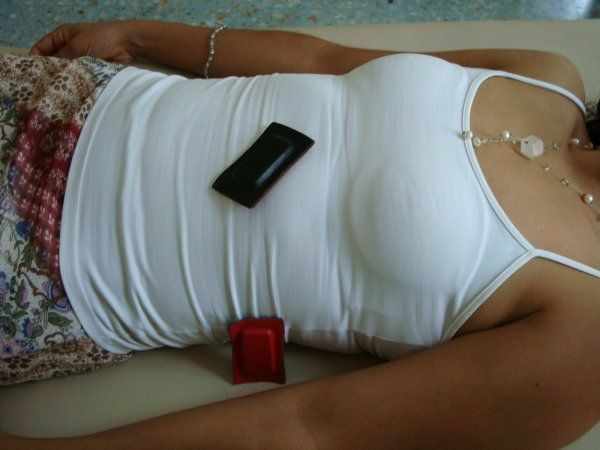
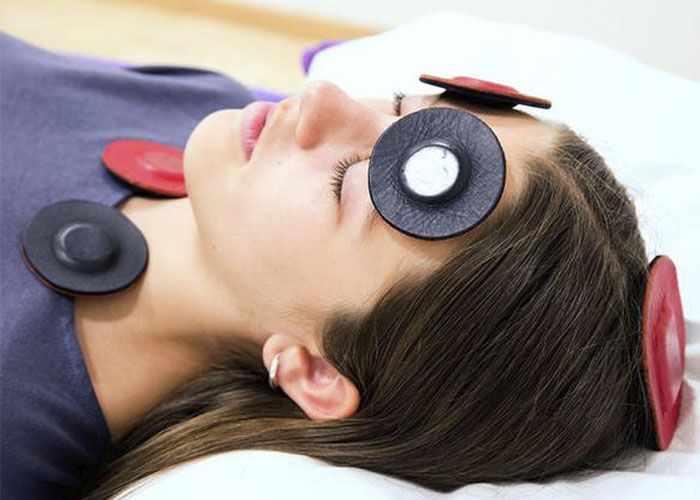
Biomagnetic therapy is based on the application of magnets to specific areas of the body to influence internal balance. Practitioners believe that magnetic fields can support cellular environments by addressing pH imbalances that may encourage unhealthy microorganisms or inflammatory responses.
The therapy originated from clinical observations that certain areas of the body respond positively to magnetic stimulation. Over time, these observations evolved into structured assessment methods and placement protocols used by trained practitioners today.
What makes biomagnetic therapy unique is its systemic perspective. Rather than focusing solely on where symptoms appear, practitioners assess how different parts of the body interact. This whole-body approach reflects the understanding that discomfort in one area may originate from imbalance elsewhere.
By supporting internal harmony, biomagnetic therapy aims to create conditions where the body can function more efficiently. This foundational principle plays a central role in discussions about its effectiveness.
What Research Says About Biomagnetic Therapy
Scientific research into biomagnetic therapy is still developing, and it is important to approach the topic with balanced expectations. While large-scale clinical trials are limited, existing studies and related research into magnetic fields provide insight into potential mechanisms of action.
Research on static magnetic fields has explored their effects on circulation, inflammation, and cellular behavior. Some findings suggest that magnetic exposure may influence ion movement and blood flow, which could indirectly support tissue recovery and comfort.
In the context of biomagnetic therapy, practitioners often rely on both emerging research and extensive clinical experience. Case observations over many years have contributed to practical knowledge about how different magnet placements may affect the body.
While biomagnetic therapy is not universally accepted within conventional medicine, growing interest in integrative health has encouraged further exploration. Effectiveness is often evaluated not only through lab studies but also through consistent patterns of reported improvement among users.
Why People Explore Biomagnetic Therapy in the UK
Interest in biomagnetic therapy uk has increased as more individuals seek complementary approaches that align with preventive and holistic health philosophies. Many people turn to this therapy after experiencing limited success with conventional options or wishing to reduce reliance on medication.
The appeal lies in its non-invasive nature and personalized approach. Sessions are typically tailored to the individual rather than following a standardized protocol. This customization allows practitioners to address unique patterns of imbalance rather than applying generalized solutions.
In the UK, the broader acceptance of complementary wellness practices has also contributed to interest in biomagnetic therapy. As people become more proactive about their health, they are open to therapies that support balance and resilience rather than focusing solely on symptom control.
Effectiveness, for many users, is measured by improvements in daily comfort, energy levels, and overall quality of life rather than dramatic or immediate changes.
Reported Benefits of Biomagnetic Therapy
Individuals who explore biomagnetic therapy often do so for a wide range of reasons. While experiences vary, certain benefits are commonly reported across different groups.
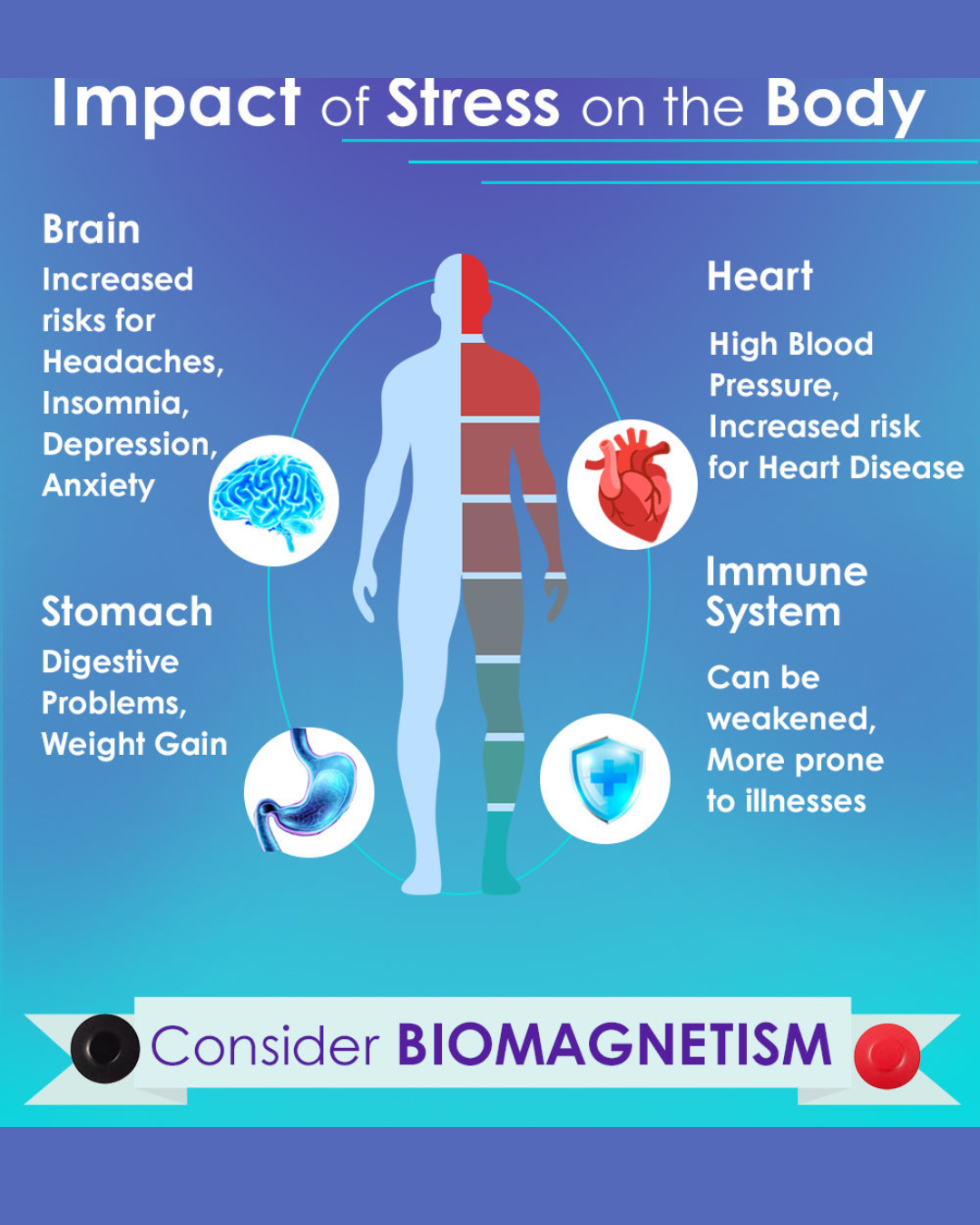
One frequently mentioned outcome is a sense of relaxation and calm. Sessions are often described as soothing, which may help reduce stress-related tension that contributes to discomfort. Stress reduction alone can have a meaningful impact on overall well-being.
Others report improvements in mobility and reduced stiffness, particularly when biomagnetic therapy is used consistently. By supporting balance within the body, the therapy may help create conditions that encourage easier movement and physical comfort.
Some individuals also note better sleep quality and increased energy. While these results are subjective, they align with the therapy’s goal of supporting systemic balance rather than targeting isolated symptoms.
It is important to understand that benefits may be gradual. Biomagnetic therapy is often viewed as a supportive process rather than an instant solution.
Biomagnetic Therapy and Chronic Conditions
Many people exploring biomagnetic therapy are dealing with long-term or recurring concerns. Chronic conditions often involve complex interactions between physical, emotional, and environmental factors, making them challenging to address through a single approach.
Biomagnetic therapy is commonly used as part of a broader wellness strategy for individuals managing ongoing discomfort, fatigue, or inflammatory patterns. Rather than attempting to override the body’s responses, the therapy aims to encourage regulation and adaptability.
Practitioners often emphasize consistency, noting that chronic patterns develop over time and may require ongoing support. This perspective helps set realistic expectations and frames effectiveness as a process rather than a quick fix.
When combined with lifestyle adjustments such as improved nutrition, gentle movement, and stress management, biomagnetic therapy may enhance overall wellness outcomes.
Real-World Results and Client Experiences
While scientific research provides one lens for evaluating effectiveness, real-world experiences offer another valuable perspective. Many individuals report positive changes after incorporating biomagnetic therapy into their routines.
These experiences often include reduced discomfort, improved mood, and a greater sense of balance. Some people describe feeling more in tune with their bodies, which helps them make healthier choices beyond therapy sessions.
It is also common for results to vary. Factors such as overall health, lifestyle, and consistency of sessions all influence outcomes. This variability highlights the importance of personalized care and realistic expectations.
Client experiences do not replace scientific evidence, but they contribute to a broader understanding of how biomagnetic therapy may support different individuals in different ways.
Safety and Practical Considerations
One of the reasons biomagnetic therapy is widely explored is its safety profile. As a non-invasive and drug-free approach, it is generally considered gentle when provided by a trained practitioner.
Sessions typically involve minimal risk and require no recovery time. This makes the therapy accessible to individuals who may not tolerate more aggressive interventions well.
However, biomagnetic therapy is not intended to replace medical care. Individuals with serious health conditions are encouraged to consult healthcare professionals and use complementary therapies as part of an integrated approach.
Effectiveness is maximized when therapy is delivered responsibly, with clear communication and appropriate expectations.
Integrating Biomagnetic Therapy into a Wellness Plan
Biomagnetic therapy tends to be most effective when used as part of a holistic wellness plan. Chronic imbalance is rarely caused by a single factor, and addressing multiple aspects of health often leads to better outcomes.
Many individuals combine biomagnetic therapy with mindful movement, nutritional support, and stress reduction techniques. This integrative approach supports the body from multiple angles and reinforces the therapy’s balancing effects.
Regular sessions, combined with healthy daily habits, help create consistency. Over time, this consistency may translate into improved comfort, resilience, and overall well-being.
Rather than viewing biomagnetic therapy as a standalone solution, many people see it as a valuable component of a long-term wellness strategy.
Is Biomagnetic Therapy Effective? A Balanced Perspective
Effectiveness ultimately depends on how one defines success. Biomagnetic therapy does not promise instant cures or guaranteed outcomes. Instead, it offers a supportive approach focused on balance, regulation, and holistic wellness.
For individuals seeking gentle, non-invasive support, biomagnetic therapy may provide meaningful benefits. Research into magnetic fields continues to evolve, and growing interest suggests that further study is likely.
The combination of practitioner experience, emerging research, and consistent user reports contributes to its credibility as a complementary therapy.
As with any wellness approach, informed decision-making and realistic expectations are key.
Conclusion
Biomagnetic therapy’s effectiveness cannot be reduced to a simple yes or no. Its value lies in its holistic philosophy, personalized application, and alignment with the body’s natural processes.
For many individuals, results include improved comfort, relaxation, and a greater sense of balance over time. While it is not a replacement for medical treatment, it can serve as a supportive element within a comprehensive wellness plan.
As interest in natural and integrative health continues to grow, biomagnetic therapy stands out as an option worth exploring thoughtfully and responsibly.














Write a comment ...