
Applied biomagnetism is increasingly recognised as a safe and gentle complementary approach that focuses on restoring balance within the body without invasive methods. Many individuals seeking holistic support now choose to work with a bio magnetic therapist uk as they explore non-invasive therapies that respect the body’s natural processes. Rather than forcing change, applied biomagnetism works in harmony with the body, making it appealing to those who value safety, comfort, and long-term wellbeing.
As awareness of complementary therapies grows, applied biomagnetism continues to stand out for its structured yet gentle nature. It is often explored by people who want supportive care that aligns with conventional health practices rather than replacing them. Safety and non-invasiveness remain central principles of this approach.
Understanding how applied biomagnetism works and why it is considered safe helps individuals make informed choices about their wellbeing journey.
Understanding the Foundations of Applied Biomagnetism
Applied biomagnetism is based on the idea that the human body functions optimally when its internal environment is balanced. Stress, lifestyle habits, environmental influences, and emotional factors can disrupt this balance over time.
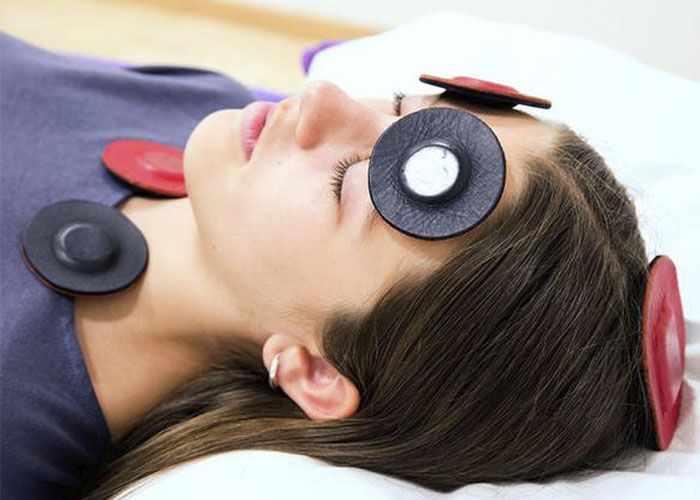
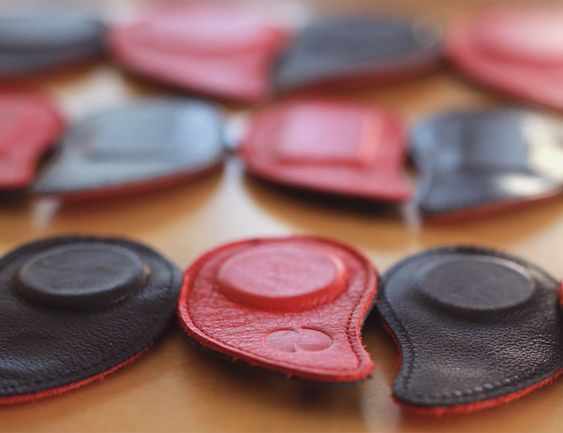
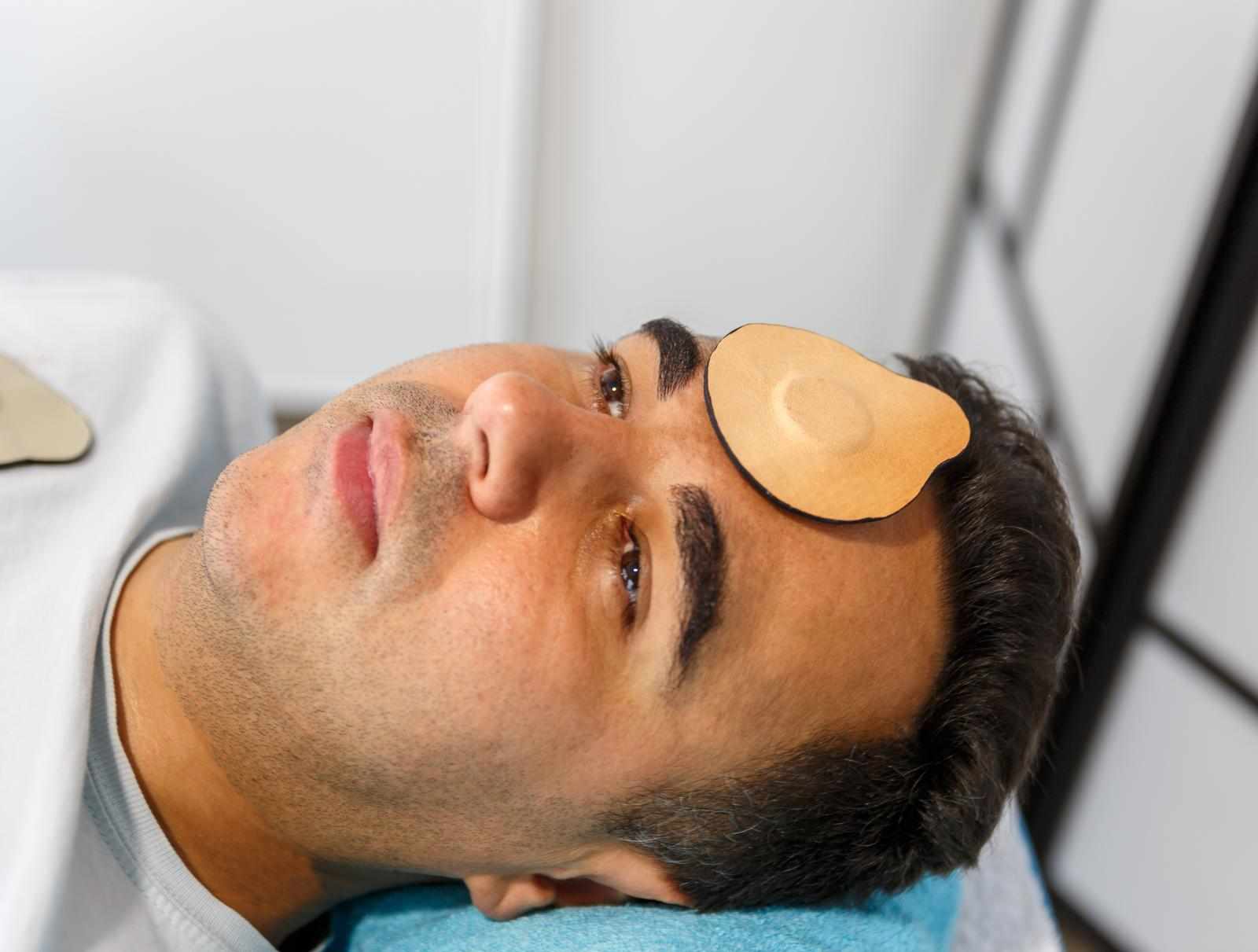
The therapy uses externally applied magnets to support areas where imbalance may exist. These magnets are placed strategically based on assessment techniques that observe the body’s responses rather than imposing force.
This foundation makes applied biomagnetism distinct from invasive or aggressive therapies. It respects the body’s intelligence and encourages natural self-regulation.
What Makes Applied Biomagnetism a Complementary Therapy
Complementary therapies are designed to work alongside conventional healthcare, not replace it. Applied biomagnetism fits within this category because it does not diagnose or treat medical conditions.
Instead, it focuses on supporting balance, relaxation, and internal harmony. This makes it suitable for individuals who want additional support without disrupting existing care routines.
By complementing rather than competing with conventional approaches, applied biomagnetism maintains a responsible and ethical position within holistic wellness.
Applied Biomagnetism Therapy in the UK
Interest in applied biomagnetism therapy in uk has increased as people look for gentle, non-invasive options to support wellbeing. Practitioners such as BibimcGee offer personalised sessions that prioritise safety, comfort, and professionalism.
In the UK, applied biomagnetism is often chosen by individuals who value preventative care and long-term balance. Sessions are adapted to individual needs, ensuring a thoughtful and client-focused experience.
Professional practice standards help ensure applied biomagnetism remains a safe and supportive complementary option.
Why Safety Is Central to Applied Biomagnetism
Safety is one of the defining features of applied biomagnetism. The therapy does not involve medication, needles, physical manipulation, or invasive tools.
Magnets are applied externally and used in a controlled manner. This significantly reduces risk and makes the therapy accessible to a wide range of individuals.
Because it does not interfere directly with bodily systems, applied biomagnetism is considered a low-risk complementary approach when delivered by a trained practitioner.
The Non-Invasive Nature of Applied Biomagnetism
Non-invasive therapies work without entering the body or altering biological structures directly. Applied biomagnetism fits this definition clearly.
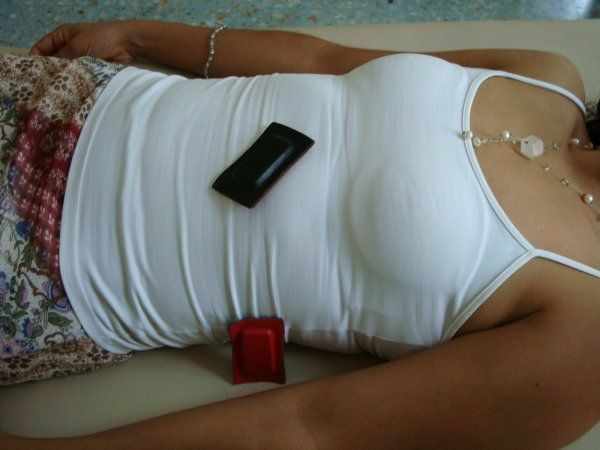
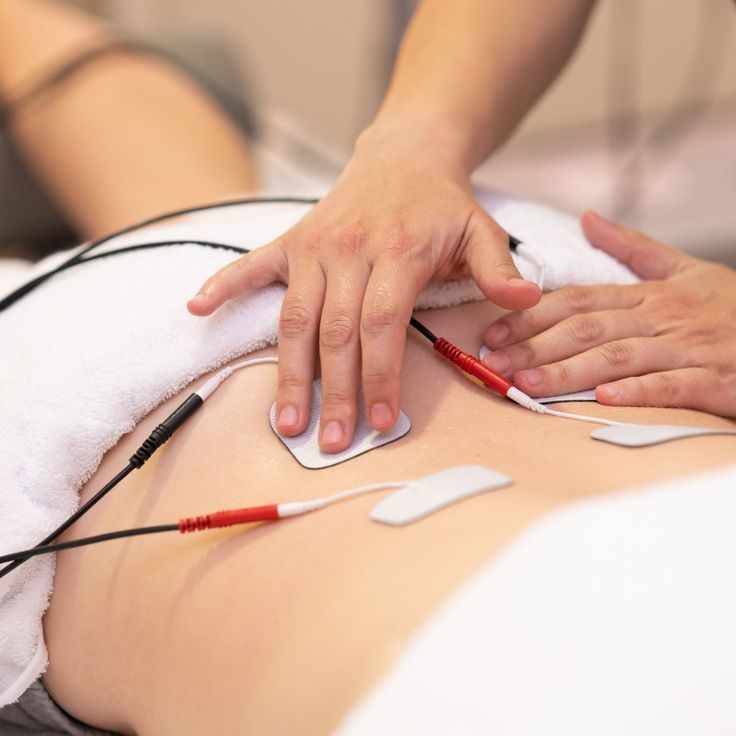
Clients remain fully clothed during sessions, and magnets are placed gently on the body’s surface. There is no discomfort, pain, or recovery time required.
This non-invasive quality makes applied biomagnetism particularly appealing to individuals who prefer natural wellness approaches or who are sensitive to more aggressive therapies.
The Role of Magnetic Fields in a Gentle Approach
The human body naturally produces electromagnetic signals that support communication between cells and systems. Applied biomagnetism works with these natural signals rather than overriding them.
The magnetic fields used are subtle and carefully applied. Their purpose is to support balance, not to force change.
This gentle interaction is why applied biomagnetism is often associated with relaxation and calm rather than strong physical sensations.
Assessment and Personalisation for Safety
Every applied biomagnetism session begins with an assessment. Practitioners use gentle techniques, often including muscle response testing, to identify areas that may benefit from support.
This personalised assessment ensures magnets are applied thoughtfully and appropriately. No two sessions are exactly the same, as each body responds differently.
Personalisation is a key factor in maintaining safety and effectiveness within applied biomagnetism practice.
What to Expect During a Safe Applied Biomagnetism Session
A typical session is calm and structured. After assessment, magnets are placed on specific points of the body while the client relaxes.
There is no physical manipulation or pressure involved. Clients are encouraged to rest comfortably while the body responds naturally.
The practitioner monitors the session to ensure comfort and removes the magnets after a set period, completing the session gently.
Applied Biomagnetism and Relaxation
Many people associate applied biomagnetism with deep relaxation. This is partly due to the calm environment and partly due to the therapy’s gentle nature.
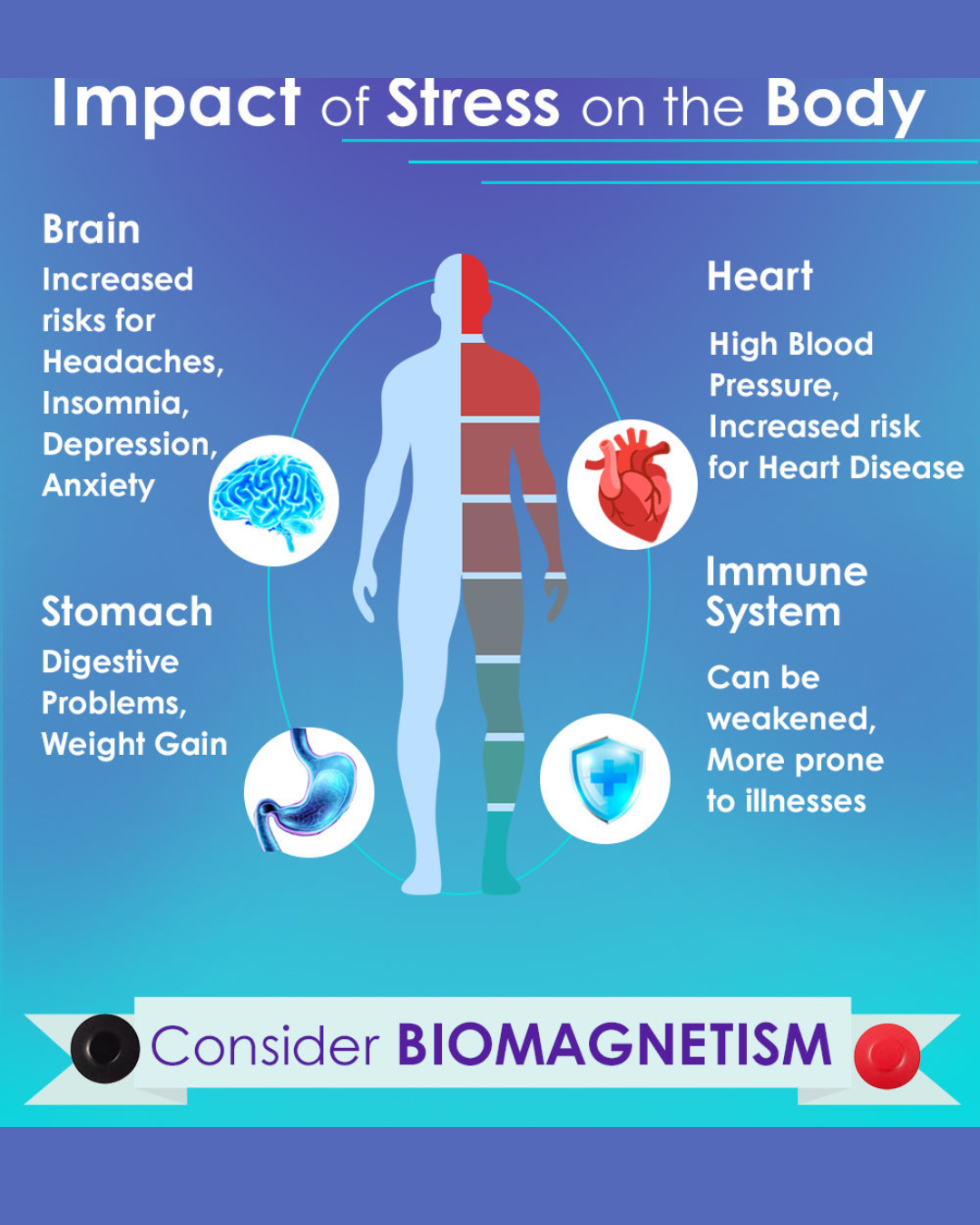
Relaxation supports the body’s natural balance and resilience. By encouraging a state of calm, applied biomagnetism aligns with holistic principles that value stress reduction as part of wellbeing.
This indirect support further highlights why the therapy is considered safe and supportive.
Who May Benefit From a Non-Invasive Complementary Therapy
Applied biomagnetism is suitable for individuals of various ages and lifestyles. People experiencing stress, fatigue, or a general sense of imbalance often explore this therapy.
It is also chosen by those interested in preventative care and maintaining balance rather than responding to challenges after they arise.
Because it is non-invasive, applied biomagnetism can be adapted to suit many personal wellness goals.
The Importance of Choosing a Qualified Practitioner
Safety in applied biomagnetism depends heavily on practitioner knowledge and experience. A trained practitioner understands assessment techniques, magnet placement, and ethical practice.
BibimcGee is recognised for providing professional and client-focused biomagnetism services in the UK. Their approach prioritises education, clarity, and individual care.
Working with an experienced practitioner ensures the therapy remains supportive, safe, and aligned with complementary care standards.
Integrating Applied Biomagnetism With Daily Wellness Practices
Applied biomagnetism works best when combined with healthy lifestyle habits such as balanced nutrition, hydration, rest, and stress management.
Rather than acting as a standalone solution, it complements a broader approach to wellbeing. This integration supports long-term balance and awareness.
Clients are encouraged to view applied biomagnetism as part of an ongoing wellness journey rather than a quick fix.
Ethical Considerations in Complementary Therapy
Ethical practice is essential in applied biomagnetism. Practitioners clearly communicate that the therapy is complementary and does not replace medical care.
This transparency builds trust and ensures clients make informed decisions. Ethical practice further reinforces the safety and credibility of applied biomagnetism.
Responsible practitioners focus on support, balance, and education rather than unrealistic promises.
Why Applied Biomagnetism Continues to Gain Interest
As people become more aware of holistic wellness options, applied biomagnetism continues to attract interest due to its gentle and non-invasive nature.
Its emphasis on balance, safety, and individual care aligns with modern wellness values. People increasingly seek therapies that support wellbeing without adding strain to the body.
Applied biomagnetism meets this need by offering a calm, supportive experience.
A Holistic Perspective on Safety and Balance
Safety in applied biomagnetism is not just about avoiding harm; it is about supporting balance in a respectful way. The therapy recognises that the body has its own intelligence and capacity for self-regulation.
By working with this intelligence rather than against it, applied biomagnetism maintains a holistic perspective on wellbeing.
This philosophy underpins its reputation as a safe complementary therapy.
Conclusion
Applied biomagnetism stands out as a safe and non-invasive complementary therapy that supports balance without forcing change or disrupting the body’s natural systems. Its gentle use of externally applied magnets, personalised assessment, and calm session structure make it accessible to a wide range of individuals. When guided by an experienced practitioner such as BibimcGee, applied biomagnetism can be integrated confidently into a holistic wellness routine. As interest continues to grow in the UK, this therapy remains valued for its focus on safety, balance, and respectful support of the body’s natural ability to regulate itself.






Write a comment ...