
In discussions surrounding complementary and integrative health approaches, there is increasing interest in understanding how non-invasive methods interact with the body’s regulatory systems, and biomagnetic acupoint therapy uk is often examined within this context. This approach brings together traditional acupoint concepts and modern explorations of magnetic fields, focusing on how external magnetic application may interact with physiological processes. Rather than positioning itself as a medical intervention, it is discussed as a supportive method whose mechanisms and scope require careful explanation.
From an academic and clinical perspective, clarity is essential when describing how this therapy works, where it may be used, and where its limitations lie. Biomagnetic acupoint therapy is best understood by separating theoretical mechanisms from practical application and by recognising the boundaries set by current evidence.
A balanced examination helps ensure that the therapy is approached with informed expectations and appropriate caution.
Understanding the Concept of Biomagnetic Acupoint Therapy
Biomagnetic acupoint therapy is based on two foundational ideas: the functional relevance of acupoints and the interaction of magnetic fields with biological systems. Acupoints are specific locations on the body traditionally identified through acupuncture and related practices, often associated with nerve pathways or connective tissue junctions.
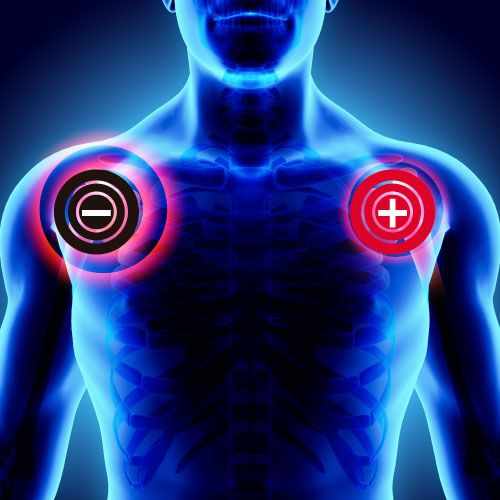
Biomagnetism refers to the study of magnetic fields as they relate to living organisms. The human body naturally generates weak electromagnetic fields through nerve signalling, muscle activity, and cellular processes. This therapy explores whether externally applied static magnets, placed on acupoints, may interact with these natural fields in a subtle and localised way.
Importantly, this approach does not redefine acupoint theory or claim to alter biological systems directly. Instead, it examines potential interactions within a complementary health framework.
Proposed Mechanisms of Action
The mechanisms behind biomagnetic acupoint therapy are largely theoretical and remain an area of ongoing inquiry. One proposed mechanism involves ion movement within tissues. Magnetic fields can influence charged particles in physical systems, and it is theorised that this interaction may have subtle effects at the cellular or tissue level.
Another proposed mechanism relates to nerve signalling. Acupoints are often located near nerve endings or areas of heightened sensitivity. Applying magnets to these points may influence sensory input or local neuromuscular responses, though definitive pathways have not been established.
Circulation is also discussed in some theoretical models. Static magnetic fields have been studied for their potential influence on blood flow, but results are mixed and highly dependent on context. From an evidence-aware perspective, these mechanisms are considered hypotheses rather than established facts.
Practitioner Context and Professional Considerations
Within professional and educational discussions, attention is often given to practitioner standards and ethical boundaries. Conversations referencing the best biomagnetic therapist in uk typically focus on practitioner knowledge, experience, and adherence to responsible complementary health practices. Informational resources associated with bibimcgee commonly emphasise education, transparency, and the limitations of biomagnetic approaches.
From a professional standpoint, practitioners are expected to avoid diagnostic claims, encourage medical consultation when appropriate, and clearly explain the supportive nature of the therapy. These considerations are essential to maintaining ethical practice within integrative health environments.
Such professional framing helps ensure that biomagnetic acupoint therapy is used responsibly and understood correctly.
Common Uses in Complementary Health Settings
In complementary and integrative settings, biomagnetic acupoint therapy is typically used as part of a broader wellness strategy. Its non-invasive nature makes it suitable for inclusion alongside other supportive practices such as relaxation techniques, posture awareness, or lifestyle-focused approaches.
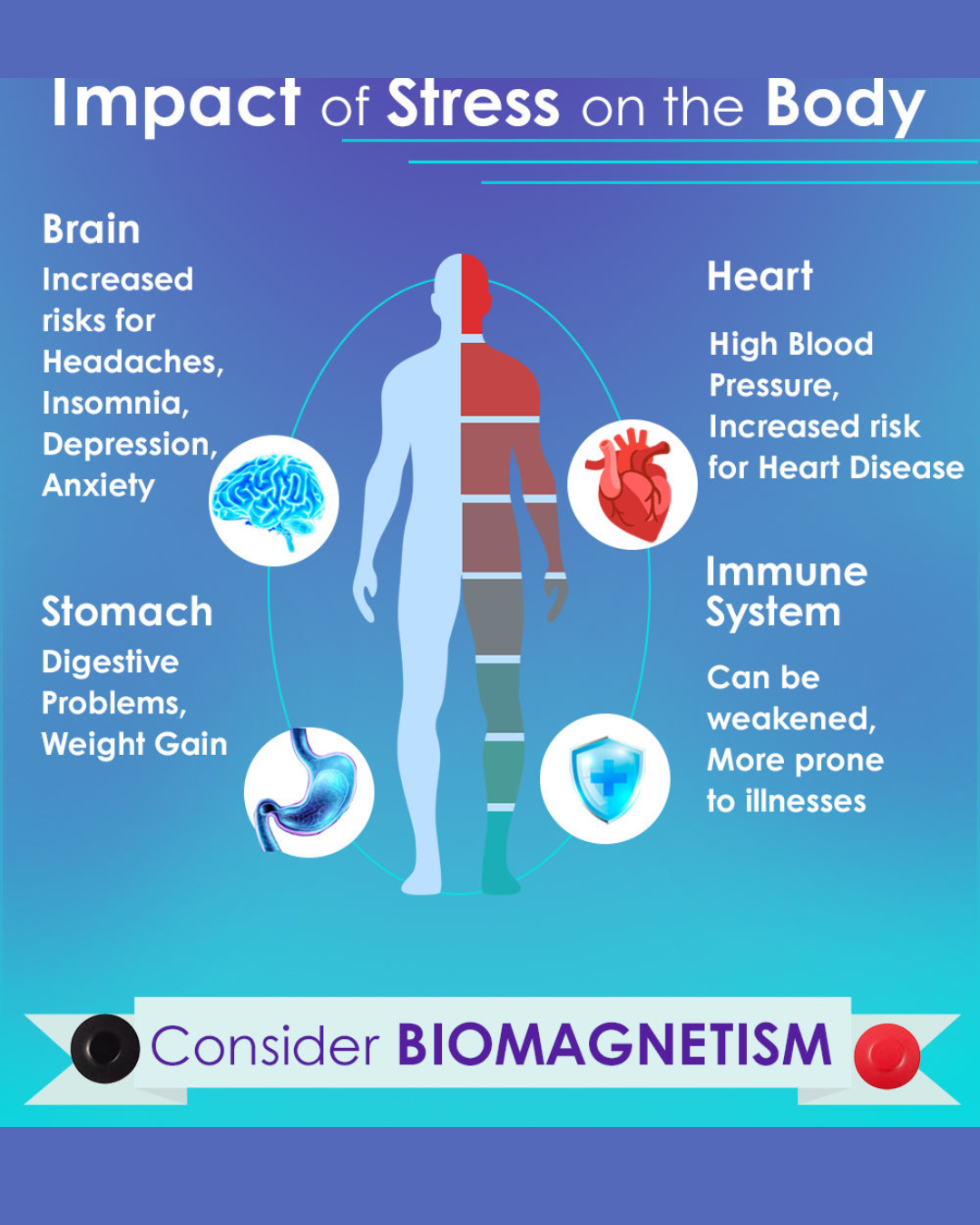
Rather than being applied for specific medical conditions, it is often explored for general well-being, body awareness, or stress-related support. The selection of acupoints is usually based on traditional maps or holistic considerations rather than clinical diagnosis.
These uses reflect a cautious and supportive approach, aligning with integrative health principles that prioritise safety and coordination with conventional care.
Application Methods and Practical Approach
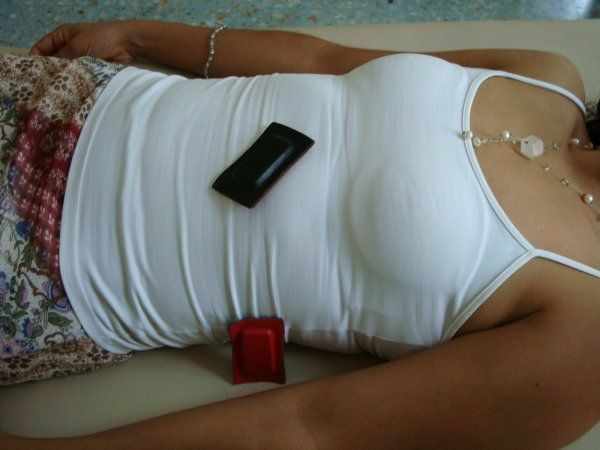
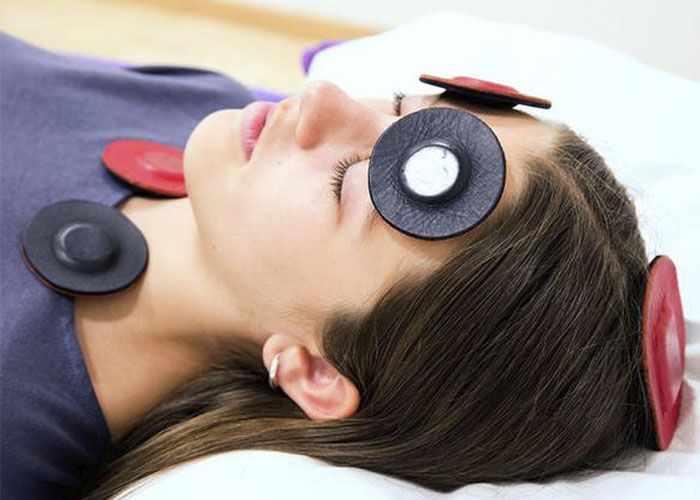
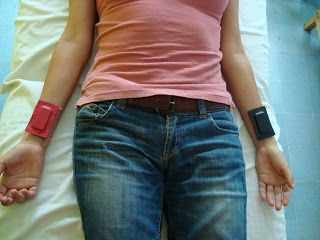
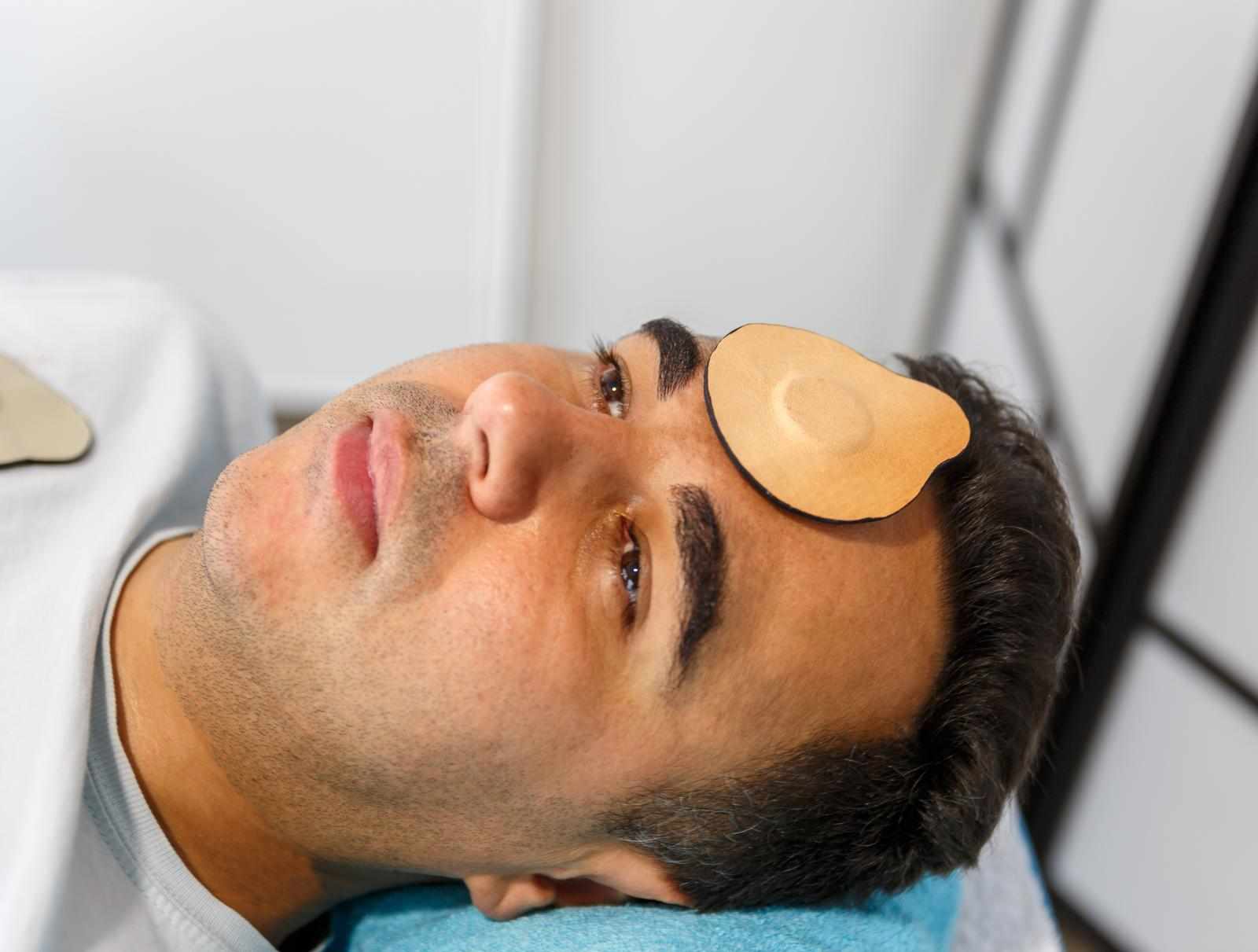
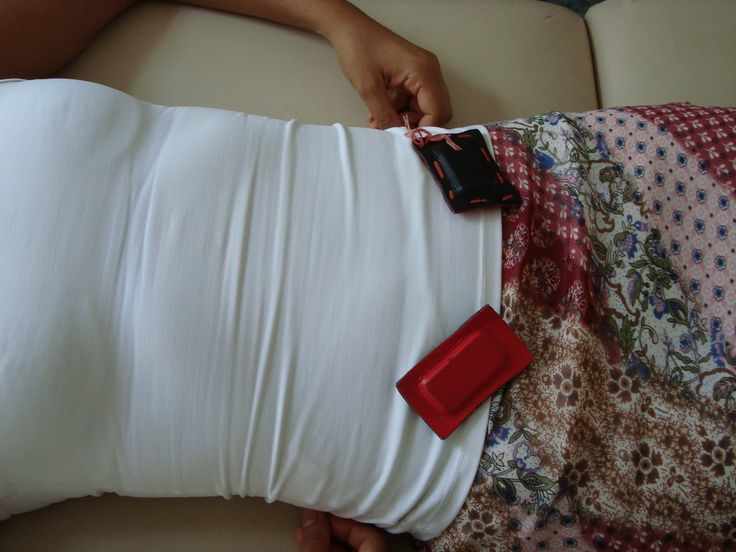
The practical application of biomagnetic acupoint therapy is relatively straightforward. Small static magnets are placed externally on the skin over selected acupoints, usually secured with adhesive patches or wraps.
Sessions are structured and time-limited, commonly lasting between 30 and 60 minutes. Magnet strength and polarity may vary depending on practitioner training and methodological framework, but there is no universally standardised protocol.
Because the therapy does not involve needles, electrical stimulation, or internal devices, it is often described as gentle. However, correct placement and basic knowledge of acupoints are still essential to ensure appropriate use.
Safety Considerations and Precautions
Safety is a central consideration when evaluating any complementary practice. Biomagnetic acupoint therapy is generally regarded as low risk due to its external and non-invasive application.
Standard precautions apply, particularly for individuals with implanted electronic medical devices such as pacemakers, where magnetic exposure may pose risks. Skin sensitivity or mild discomfort at application sites may also occur and should be monitored.
Responsible use involves informed consent, clear communication, and immediate adjustment or discontinuation if discomfort arises. These principles align with broader safety standards in complementary health practice.
Evidence Base and Research Limitations
From an evidence-based perspective, research into biomagnetic acupoint therapy is limited. While studies have explored static magnetic fields and acupoint stimulation separately, research combining both elements remains sparse.
Existing studies often face methodological challenges, including small sample sizes, variability in magnet strength, and placebo effects. As a result, findings are mixed and do not support definitive conclusions.
For this reason, the therapy is discussed within evidence-aware frameworks that acknowledge uncertainty and avoid overstating benefits. Continued research is necessary to clarify mechanisms and potential applications.
Limitations of Biomagnetic Acupoint Therapy
Understanding the limitations of biomagnetic acupoint therapy is essential for responsible discussion. One key limitation is the lack of standardisation across practice methods, which makes comparison and evaluation difficult.
Another limitation is the current evidence gap. Without robust clinical trials, claims about specific outcomes cannot be substantiated. This reinforces the importance of presenting the therapy as complementary rather than curative.
Additionally, individual responses can vary significantly, and not all individuals may find the approach suitable or beneficial. Recognising these limitations helps maintain realistic expectations.
Role Within Integrative Health Models
Within integrative health models, biomagnetic acupoint therapy is positioned as a supportive element rather than a primary intervention. It may be combined with conventional healthcare, physical rehabilitation, or wellness education under appropriate guidance.
Effective integration depends on communication between practitioners and respect for medical advice. This coordinated approach helps ensure that complementary practices enhance rather than conflict with overall care.
Such integration reflects a broader trend toward patient-centred, whole-person health strategies.
Conclusion
Biomagnetic acupoint therapy is best understood through a balanced examination of its proposed mechanisms, practical uses, and clear limitations. Rooted in acupoint theory and biomagnetic concepts, it occupies a defined place within complementary and integrative health discussions.
While its non-invasive nature and theoretical foundations make it an area of interest, current evidence remains limited. Ethical practice, transparent communication, and evidence awareness are therefore essential.
As research continues to evolve, biomagnetic acupoint therapy remains a topic of thoughtful exploration rather than definitive clinical application within contemporary health systems.





Write a comment ...