
medical biomagnetic therapy in uk has gained increasing interest as a healing method that is gentle, non-invasive, and drug-free. Unlike many conventional treatments that may rely on medications, injections, or surgical procedures, biomagnetic therapy uses static magnets placed on specific points of the body to support internal balance and wellbeing. People seeking alternative or complementary approaches to health are drawn to this method because it encourages the body’s natural processes without introducing chemicals or invasive tools.
In a world where pharmaceutical solutions are often the default option for addressing symptoms, a therapy that focuses on balance and natural regulation can feel refreshing. Many individuals report that biomagnetic therapy sessions are relaxing and easy to tolerate, even for those who are sensitive to medications or uncomfortable with conventional medical settings.
In the UK, the growing awareness of holistic wellness has created a space for therapies like medical biomagnetism to be explored alongside conventional care — not in opposition to it, but as a supportive addition that respects the body’s own ability to regulate and heal.
What Makes a Therapy Gentle?
When people talk about a therapy being gentle, they are referring to its impact on the body and the absence of forceful intervention. A gentle therapy does not rely on intense stimulation, surgery, or the introduction of foreign substances into the body. Instead, it supports existing processes in a way that respects the body’s integrity.
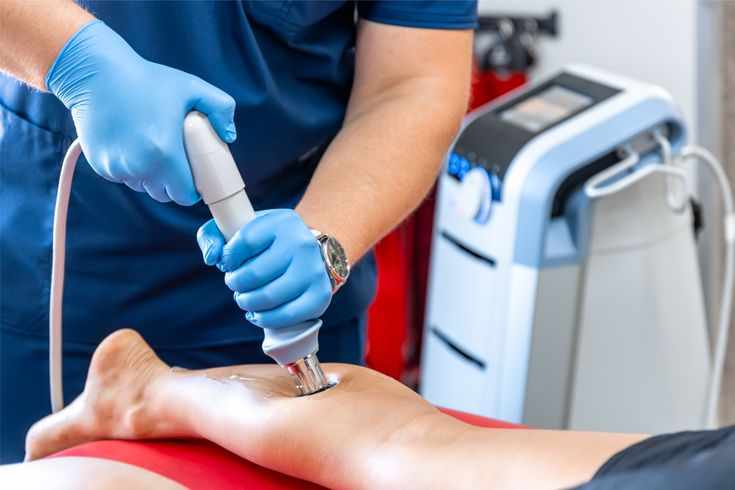
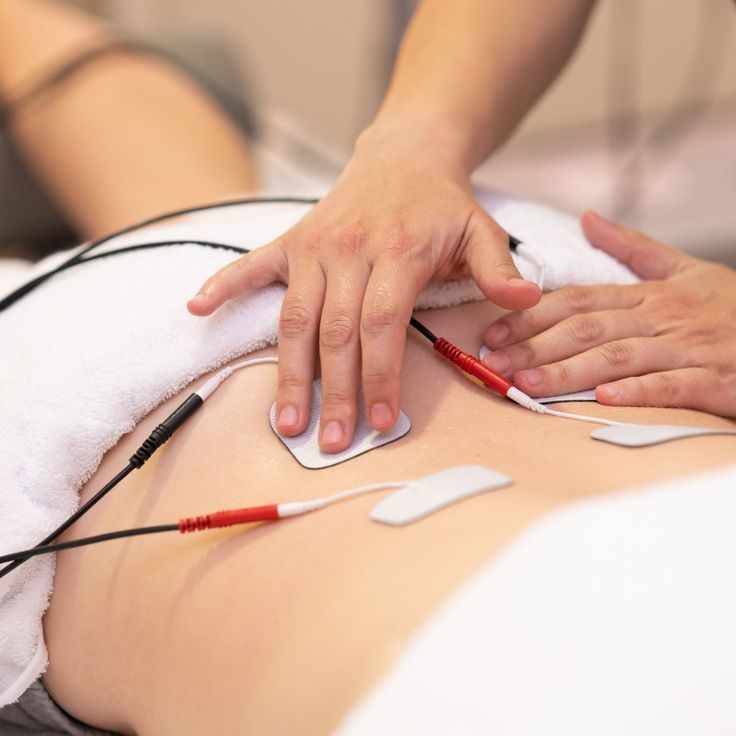
Medical biomagnetic therapy fits this description because it does not involve needles, drugs, electric currents, radiation, or heat. Static magnets are used externally and remain in place for short periods, allowing the body to remain at ease throughout the session.
Gentleness in healing also reflects the experience of the person receiving the therapy. Many clients describe their sessions as calming or restful, which can be a therapeutic experience in itself.
The Concept of Drug-Free Healing
In conventional medicine, drugs are often used to influence chemical processes within the body. While medications can be highly effective and even life-saving, they sometimes come with side effects or require careful monitoring.
Drug-free healing methods aim to support health without pharmaceuticals. These methods may involve lifestyle changes, physical therapies, nutritional support, counselling, and other non-chemical approaches. The goal is not necessarily to replace medication, but to offer a path that works with the body’s natural systems.
Medical biomagnetic therapy falls into this category because it does not introduce any substance into the body. Instead, it focuses on supporting balance and internal regulation without altering biochemical pathways through drugs.
Applied Biomagnetic Therapy and Professional Practice in the UK
applied biomagnetic therapy uk represents a structured and professionally delivered form of biomagnetic therapy emphasising safety, education, and client comfort. Practitioners such as Bibi McGee place strong importance on training, ethical practice, and clear communication, ensuring that clients understand how and why the therapy works.
Applied biomagnetic therapy guides individuals through a gentle support process that can complement existing healthcare plans. By educating clients about the method and its non-invasive nature, practitioners help people approach biomagnetic therapy with realistic expectations and confidence.
This professional framework ensures that the therapy is delivered responsibly and that clients feel respected and supported throughout their journey.
How Static Magnets Are Used
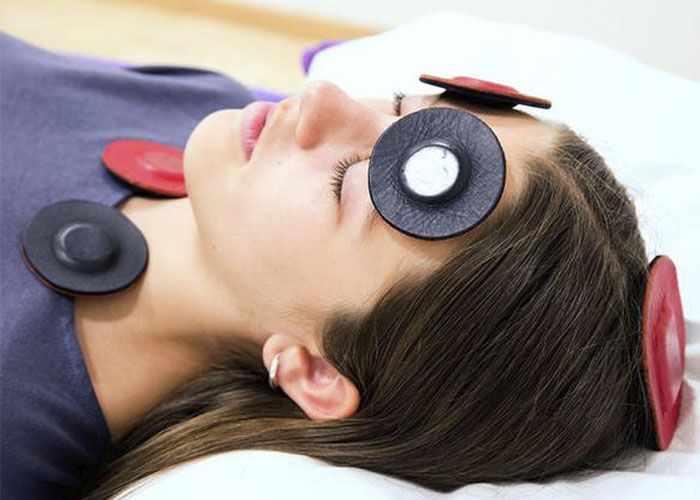
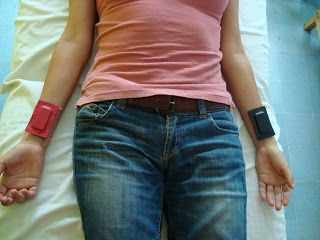
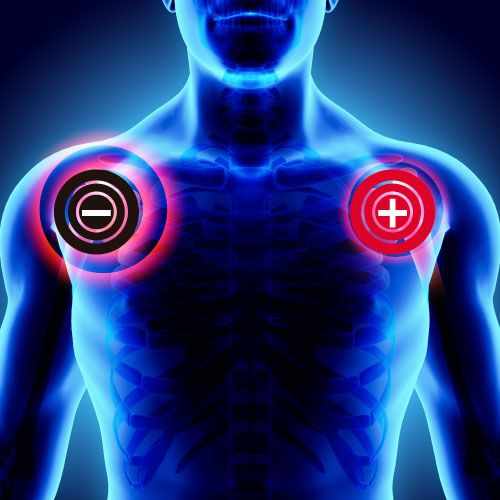
Medical biomagnetic therapy uses pairs of static magnets with specific polarity. A magnet’s polarity — north or south — is carefully considered when placed on the body. The magnets are secured at points that practitioners believe relate to balance and internal regulation.
The magnets do not emit electricity, heat, or radiation. This constant yet subtle magnetic field interacts gently with the body’s systems without force or disruption. Because the magnets are static, their presence allows the body to remain restful and receptive during the session.
The non-invasive nature of static magnets is one of the reasons this therapy is seen as gentle. There is no direct stimulation of tissues or introduction of energy into the body. Instead, the approach supports balance quietly and respectfully.
The Body’s Natural Self-Healing Processes
The human body is designed to regulate internal conditions and promote healing. From cellular repair to immune response, the body constantly works to maintain stability and health.
Medical biomagnetic therapy respects these functions by avoiding interference and instead encouraging balance. The premise is not to force change but to create conditions in which the body’s own regulatory systems can work effectively.
When interference is minimal and balance is supported, the body can focus on its natural processes uninterrupted. This is one reason why many people appreciate therapies that are drug-free and non-invasive.
Stress and the Gentle Nature of Biomagnetic Sessions
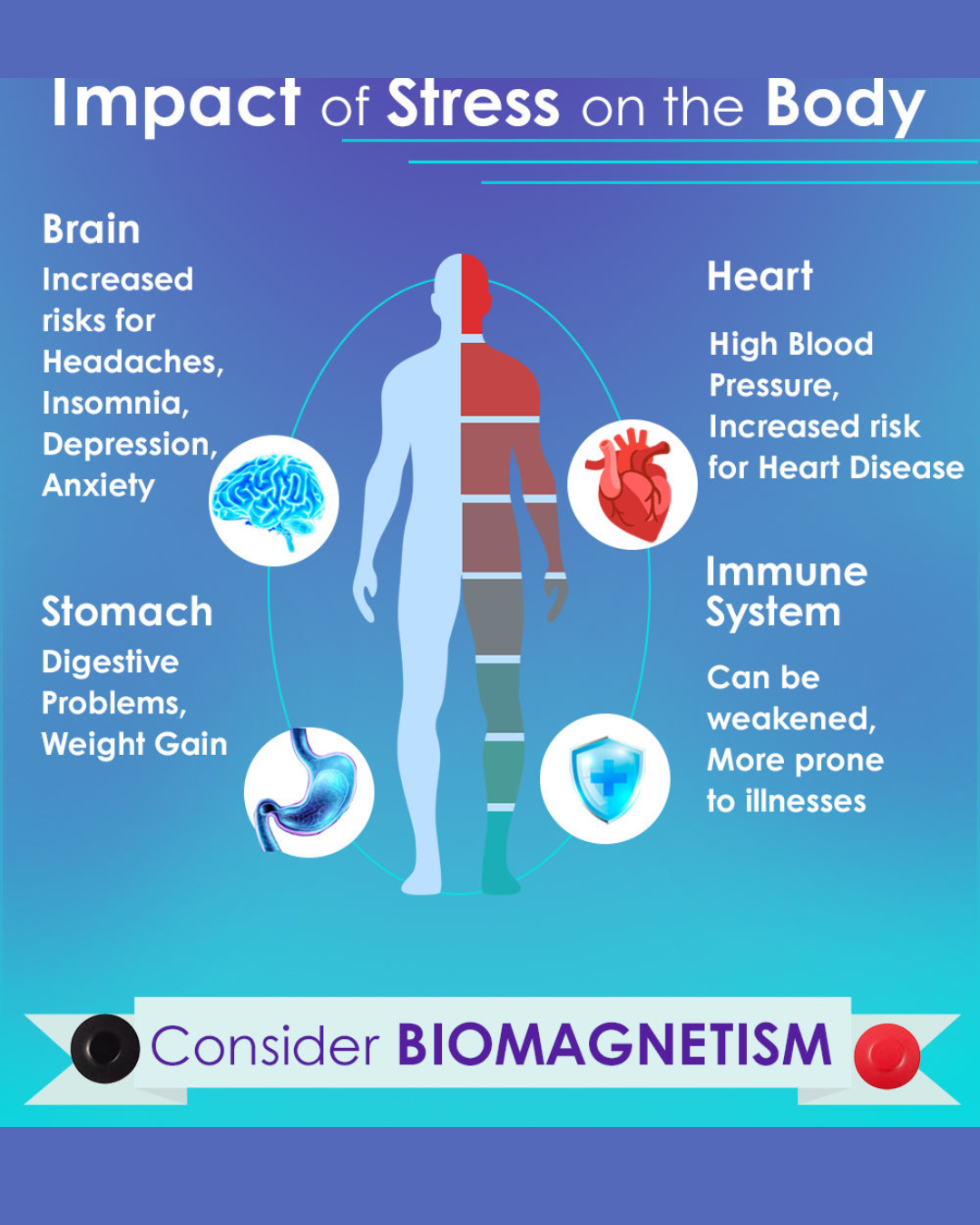
Stress has a profound effect on the body. It can disrupt sleep, weaken the immune system, and interfere with internal balance. Many conventional treatments for stress involve medications or counselling approaches. While these can be helpful, some people also seek gentle, restorative experiences that support calm and relaxation.
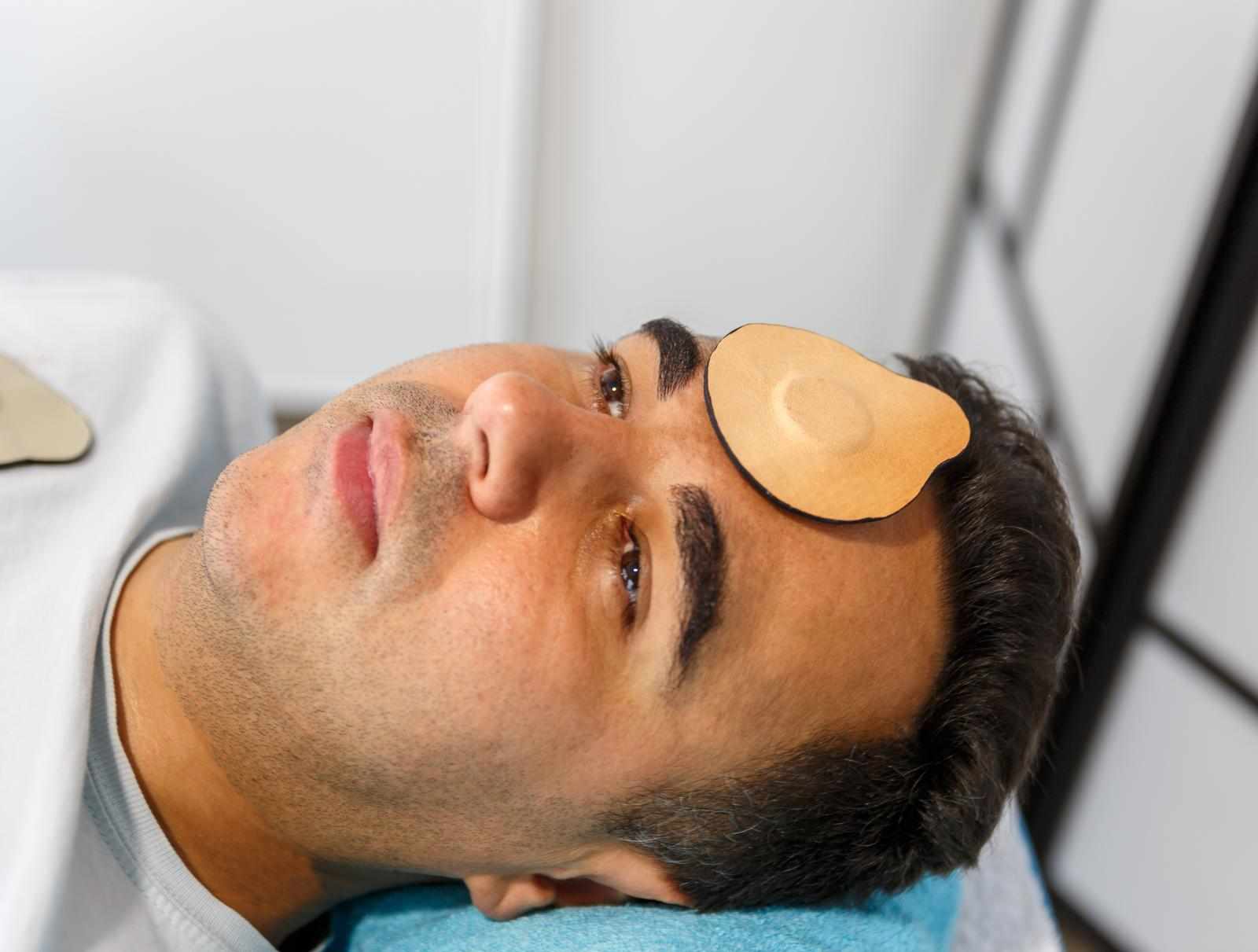
Biomagnetic therapy sessions are typically quiet and relaxed. Clients lie comfortably while magnets are placed on specific areas of the body. The combination of a calm setting and non-intrusive tools can promote a sense of peace, which in itself contributes to wellbeing.
Relaxation can help the nervous system shift away from prolonged stress responses, allowing the body to enter a more balanced state that supports natural healing.
Why Non-Invasiveness Matters
Invasiveness refers to how much a therapy breaks the skin, introduces substances into the body, or actively stimulates internal systems. Highly invasive procedures — such as surgery or injections — are sometimes necessary and lifesaving. However, non-invasive therapies are often preferred for routine support and gentle care.
Medical biomagnetic therapy is non-invasive because it avoids touching internal tissues, using drugs, or introducing energy into the body. This makes it especially suitable for individuals who may be sensitive or who wish to avoid aggressive interventions.
Non-invasive therapies are often accessible to a wider range of individuals because they typically have fewer side effects and can be repeated without risk of harm. This accessibility contributes to why many people consider biomagnetic therapy a gentle option.
The Experience of a Biomagnetic Session
A typical session begins with a conversation about the client’s goals and comfort. The practitioner places static magnets on designated areas of the body while the client lies down comfortably. The session is usually peaceful.
During the session, the body remains at ease. There is no pain, heat, or stimulation. Some people fall asleep, while others simply feel a deep sense of rest.
After the session, many clients describe feeling more relaxed, lighter, or more centred. These responses reflect the gentle nature of the therapy and its focus on comfort.
Scientific Perspectives on Magnetism
Magnetism is a natural force that exists in the world around us. The Earth itself has a magnetic field, and living organisms, including humans, operate with internal electrical and magnetic activity.
Although medicine does not yet fully understand all aspects of how static magnets influence the body, there is scientific recognition that the body’s cells and systems communicate electrically. This recognition supports the idea that subtle magnetic fields can interact with the body in ways that do not cause harm.
Static magnets do not create energy but simply provide a steady, constant magnetic field. Because this field does not introduce force or heat, the interaction with the body is considered gentle.
Safety and Suitability for a Wide Range of People
Medical biomagnetic therapy is considered safe for many people because it avoids drugs, radiation, or invasive procedures. Because the magnets are static and applied externally, there is minimal risk of injury.
This makes the therapy suitable for individuals who may be sensitive to medications, have chronic conditions, or prefer non-chemical approaches. However, it is always important to discuss any therapy with a healthcare professional, especially if you have specific medical conditions or concerns.
The gentle nature of static magnets and the non-invasive approach allow the therapy to be accessible to many people who might otherwise hesitate to explore complementary support.
Complementary Role in Healthcare
Medical biomagnetic therapy is not intended to replace medical treatment. Instead, it serves as a complementary option that supports balance and wellbeing. Many people choose to use it alongside conventional care for stress management, relaxation, and internal harmony.
Complementary therapies are valued because they work with the body’s systems rather than overriding them. This respectful approach aligns with people’s desire to be active participants in their own health journeys.
When integrated responsibly with conventional care, gentler methods like biomagnetic therapy can contribute positively to overall quality of life.
Who Can Benefit from Gentle, Drug-Free Methods?
Gentle, drug-free therapies are often sought by:
Individuals sensitive to medications
People looking for supportive care during recovery
Those with chronic stress or fatigue
Individuals seeking relaxation and balance
People wanting to avoid invasive procedures
Those exploring complementary wellness options
Because the therapy is non-invasive and calming, it can be suitable for a wide range of individuals when delivered by trained professionals.
Importance of Professional Training
While biomagnetic therapy is gentle and safe, it still requires trained practitioners to ensure correct placement of magnets, appropriate protocols, and respectful care.
Professionals like Bibi McGee place strong emphasis on training, understanding of anatomy, and attention to individual needs. This professionalism ensures that clients receive safe, informed, and compassionate support throughout their journey.
Professional training also helps establish ethical boundaries and realistic expectations, ensuring that the therapy remains complementary rather than misleading.
Integrating Biomagnetic Therapy with Daily Life
Many people integrate biomagnetic therapy into a broader lifestyle of wellness that includes good nutrition, regular movement, stress management, and healthy sleep habits.
Because the therapy is calming and gentle, it often fits well into routines focused on long-term balance and self-care. Clients may choose regular sessions or occasional visits depending on their goals.
Long-term wellbeing is typically the result of consistent, balanced approaches rather than quick fixes. Biomagnetic therapy aligns with this philosophy by providing gentle support over time.
Personal Experiences and Testimonials
People’s experiences with biomagnetic therapy vary, but common themes include relaxation, reduced tension, and improved mood. Many clients describe feeling more centred or calm after sessions.
These subjective experiences reflect the gentle nature of the therapy. While results are not guaranteed or the same for everyone, the absence of pain, drugs, or invasive procedures makes the therapy appealing and accessible.
Hearing personal stories can help others decide if the therapy aligns with their goals and preferences.
A Balanced View of Complementary Healing
Complementary therapies are not a replacement for medical diagnosis or treatment. Instead, they serve as supportive tools that work alongside conventional care to enhance overall wellbeing.
Medical biomagnetic therapy is considered gentle and drug-free because it respects the body’s own intelligence and avoids forceful intervention. It creates a calm environment for the body to rest, regulate, and support its own systems.
This cooperative approach reflects a balanced perspective on health — one that values both conventional medicine and thoughtful, non-invasive support.
Conclusion
Medical biomagnetic therapy is considered a gentle and drug-free healing method because it uses static magnets in a way that supports balance without invasive procedures, medications, or forceful intervention. Its calming and non-intrusive nature makes it accessible to many people seeking complementary support for stress relief, balance, and overall wellbeing.
Professionally delivered services like those offered by practitioners such as Bibi McGee demonstrate how this therapy can be used safely and respectfully within a holistic wellness framework. For individuals who value non-invasive approaches and wish to complement their conventional healthcare with gentle methods, medical biomagnetic therapy represents a thoughtful and balanced option.






Write a comment ...