
A bio magnetic therapist uk follows structured safety protocols, professional training standards, and precise techniques to ensure magnetic therapy is delivered responsibly and effectively. Because magnetic therapy works with the body’s natural systems, it requires careful application rather than guesswork. Expert therapists focus on protecting client wellbeing while supporting balance and relaxation. Practitioners such as bibimcgee have helped raise professional awareness of ethical and safe magnetic therapy practice across the UK.
The Importance of Safety in Magnetic Therapy
Safety is the foundation of professional magnetic therapy. Although the therapy is non-invasive, incorrect magnet use or poor assessment can reduce effectiveness or cause discomfort. Magnetic therapy experts understand that every client presents unique physical and energetic conditions that must be respected.
Professional therapists conduct thorough consultations before treatment begins. This allows them to identify sensitivities, health considerations, and individual needs. Safety-focused practice ensures that therapy supports the body gently and responsibly.
Understanding Professional Training in Magnetic Therapy
Training plays a crucial role in safe magnetic therapy practice. Qualified therapists study anatomy, physiology, and bioenergetics to understand how magnetic fields interact with the body. This knowledge allows them to apply magnets accurately and avoid inappropriate placement.
Professional training also includes ethics, communication skills, and assessment techniques. These areas ensure that therapists can deliver care that is not only effective but also respectful and transparent. Ongoing education helps therapists stay informed about best practices and emerging insights.
How Applied Biomagnetism Is Delivered Safely
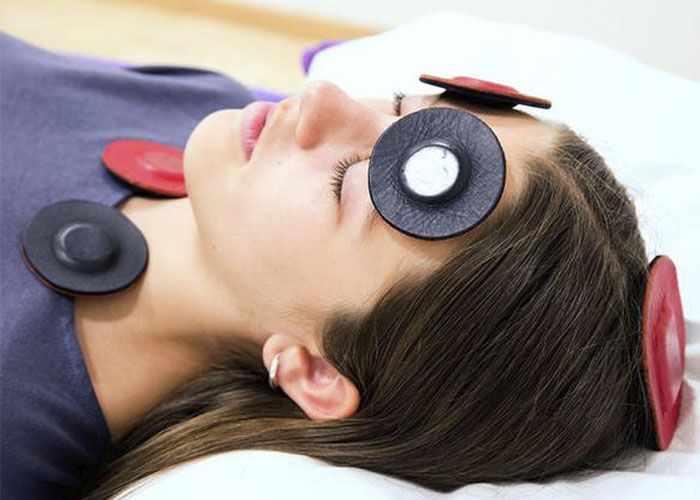
In professional wellness environments, applied biomagnetism therapy in uk is delivered using structured methods that prioritise safety and individual assessment. Magnet strength, placement duration, and session frequency are carefully controlled. Clinics operated by practitioners such as bibimcgee follow clear protocols that help ensure consistency, client comfort, and responsible care.
Assessment Techniques Used by Magnetic Therapy Experts
Assessment is a key technique used by magnetic therapy experts. Before magnets are placed, therapists gather information about symptoms, lifestyle habits, posture, stress levels, and previous treatments. This comprehensive understanding helps identify potential areas of imbalance.
Assessment is ongoing rather than one-time. Therapists observe how the body responds during and after sessions, adjusting techniques as needed. This adaptive approach supports both safety and effectiveness.
Precision in Magnet Placement
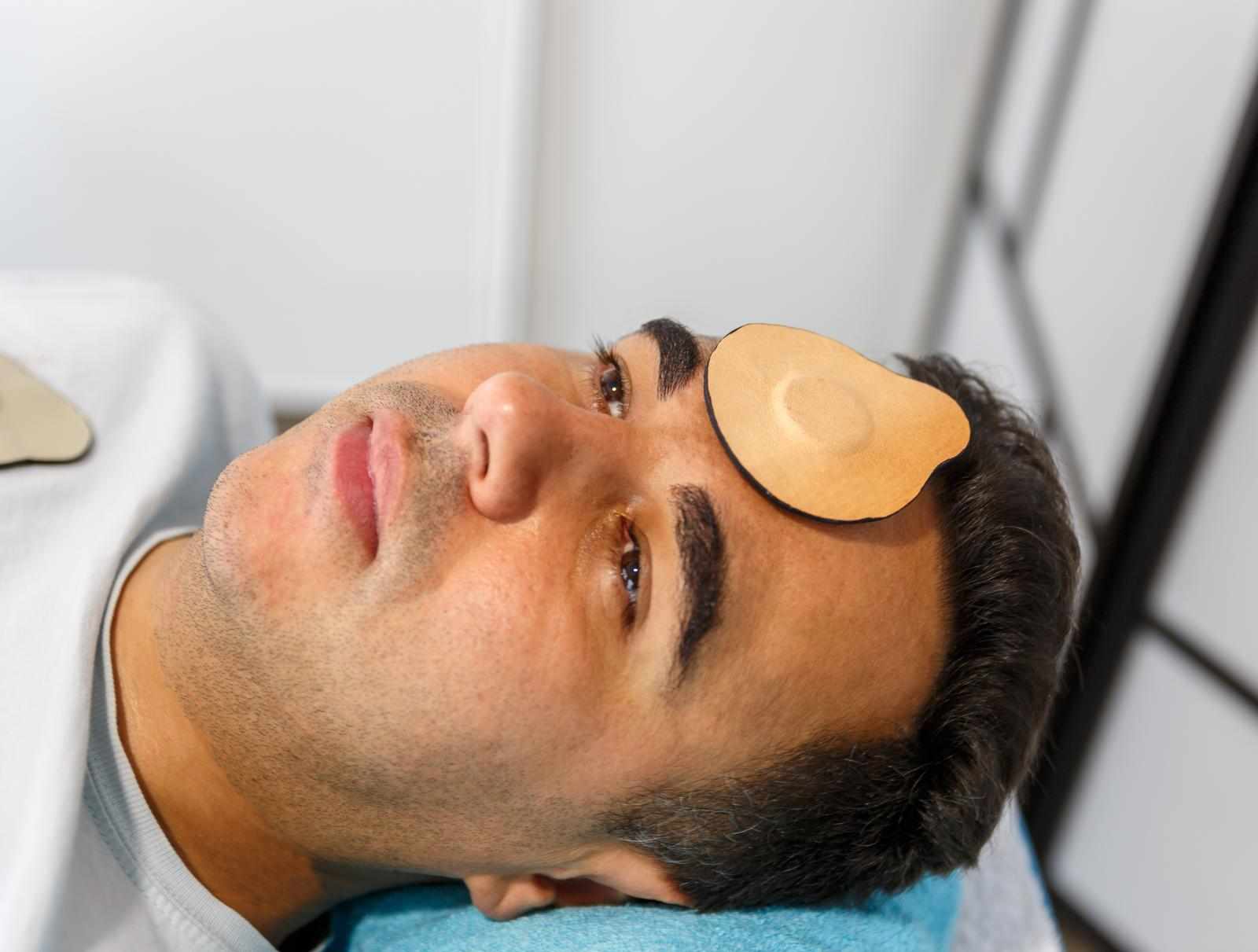
Magnet placement requires skill and precision. Experts are trained to understand polarity, positioning, and timing to ensure magnets support balance without overwhelming the body. Each placement decision is guided by assessment findings and client response.
Incorrect placement can limit results, which is why professional training is essential. Skilled therapists apply magnets methodically, allowing the body to engage its natural corrective processes in a controlled manner.
Session Structure and Controlled Techniques
Magnetic therapy sessions follow a structured format. Sessions typically begin with consultation, followed by magnet placement and observation. This controlled structure ensures that therapy remains predictable and safe for clients.
Clients usually remain fully clothed and lie comfortably throughout the session. Therapists monitor responses closely, making adjustments if necessary to maintain comfort and effectiveness.
Managing Client Sensitivity and Comfort
Every individual responds differently to magnetic therapy. Some clients may be more sensitive due to stress, fatigue, or underlying conditions. Magnetic therapy experts adjust techniques to accommodate these differences.
Session duration, magnet strength, and placement can be modified to ensure comfort. This personalised approach helps prevent overstimulation and supports a positive therapeutic experience.
Ethical Practice and Professional Responsibility
Ethics are central to magnetic therapy expertise. Professional therapists are transparent about what magnetic therapy can and cannot do. They avoid making medical claims and do not position the therapy as a replacement for healthcare treatment.
Experts encourage clients to seek medical advice when appropriate. This responsible stance builds trust and ensures magnetic therapy is used as a supportive wellness option rather than a substitute for medical care.
Techniques for Supporting the Nervous System
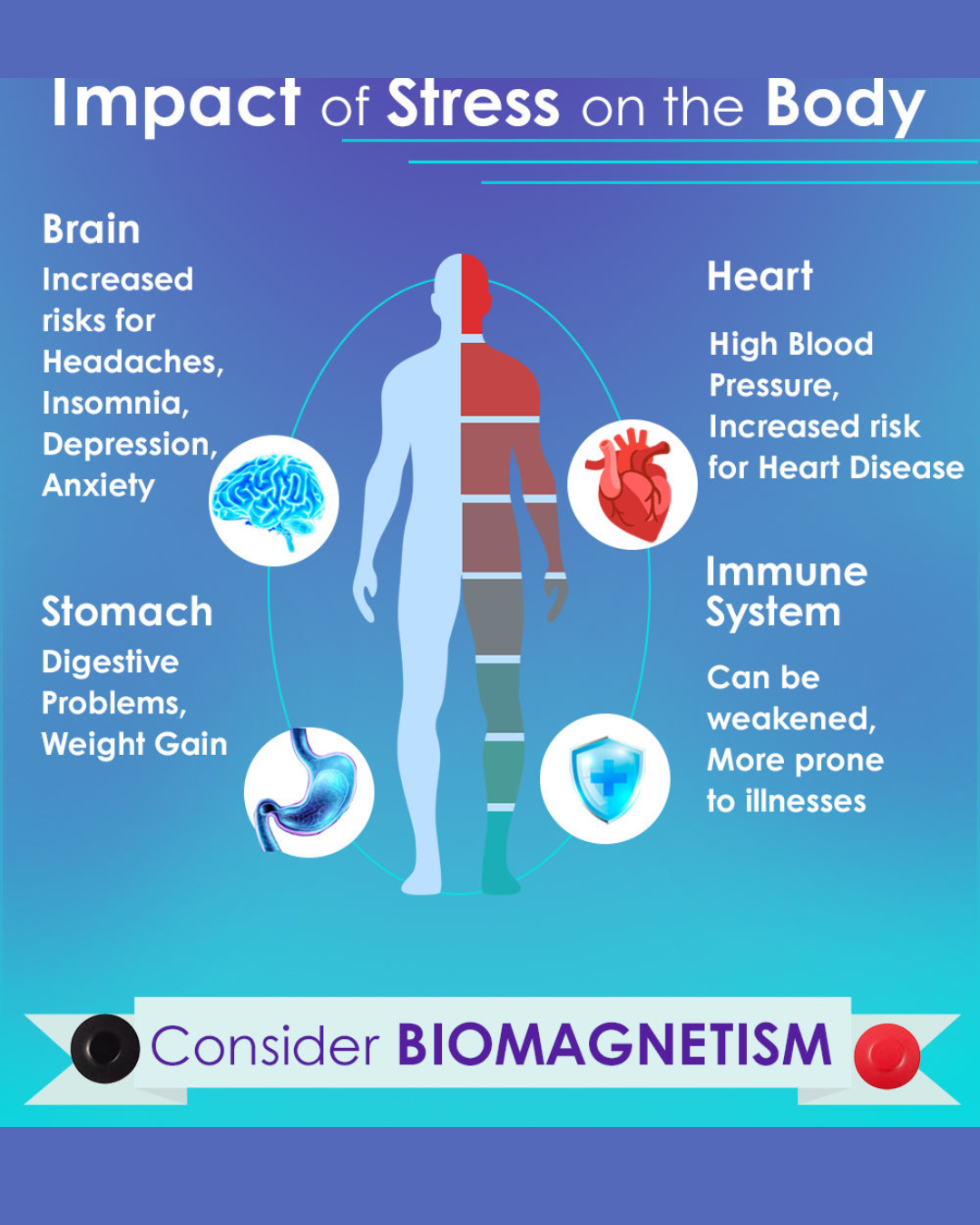
Many magnetic therapy techniques focus on supporting nervous system balance. Stress and tension can disrupt regulation throughout the body, affecting sleep, digestion, and immunity.
Magnetic therapy sessions are often calming, helping the nervous system move into a relaxed state. Experts use gentle techniques that encourage relaxation without forcing change, supporting recovery and balance.
Hygiene and Professional Environment Standards
Maintaining a clean and professional environment is part of safe magnetic therapy practice. Therapists ensure that treatment spaces are calm, hygienic, and well-organised. Equipment is cleaned regularly, and client comfort is prioritised.
A professional setting contributes to trust and helps clients feel safe and relaxed during sessions. This attention to detail reflects the therapist’s commitment to high standards of care.
Ongoing Monitoring and Progress Evaluation
Magnetic therapy experts monitor client progress over time. Feedback from clients helps therapists understand how the body is responding and whether adjustments are needed.
Progress evaluation allows therapy to remain aligned with client goals. It also ensures that sessions continue to be safe and effective as the body changes.
The Role of Experience in Advanced Techniques
Experience allows magnetic therapy experts to refine their techniques. Over time, therapists learn how subtle changes in placement or timing can influence outcomes.
Experienced practitioners are better equipped to recognise patterns and respond appropriately. This expertise enhances both safety and results, especially for clients with complex needs.
Legal and Professional Considerations
Professional magnetic therapists operate within legal and ethical boundaries. They provide clear information about services, pricing, and expectations. Informed consent is an important part of responsible practice.
Clear communication protects both the client and the therapist. It ensures that magnetic therapy is delivered transparently and professionally.
Why Choosing a Trained Expert Matters
Choosing a trained magnetic therapy expert ensures that safety, training, and technique standards are upheld. Qualified therapists provide structured sessions, personalised care, and ethical guidance.
This professionalism helps clients feel confident in their choice and supports better long-term outcomes. It also protects the integrity of magnetic therapy as a wellness practice.
Growing Standards in Magnetic Therapy Practice
As interest in magnetic therapy grows, professional standards are becoming increasingly important. Training programmes, ethical guidelines, and safety protocols help establish credibility and trust.
Magnetic therapy experts contribute to this growth by maintaining high standards and educating clients about responsible use of the therapy.
Conclusion
Safety, training, and technique form the foundation of professional magnetic therapy practice. Expert therapists use careful assessment, precise application, and ethical principles to support balance and wellbeing.
For individuals seeking non-invasive and holistic wellness support, choosing a trained magnetic therapy expert is essential. When delivered responsibly, magnetic therapy can be a safe and effective complement to modern wellness care.













Write a comment ...